

Thicket Presents: Pastorals
Welcome to a late autumn theme, pastorals. No shepherds or sheep required (though both are welcome).

First, some music to set the tone.
Last Sunday, I rode 102 km around the northern hills of Shiga Prefecture, Japan. The temperature hovered stubbornly in the mid-50s to mid-60s. It was just cool enough to require an inconvenient number of layers, but since this wasn’t a race, I stopped as needed to peel them off at the base of a challenging climb or pile them back on before a windy descent. The sky stayed clear all day, sending shafts of gold through a kaleidoscope of leaves. The hills and valleys looked like they’d been lifted from an impressionist canvas—dabs of red, yellow, and evergreen—and Lake Biwa shimmered under the light, its distant horizon blurring into blue haze. With no headwind, everything conspired toward a perfect weekend escape.
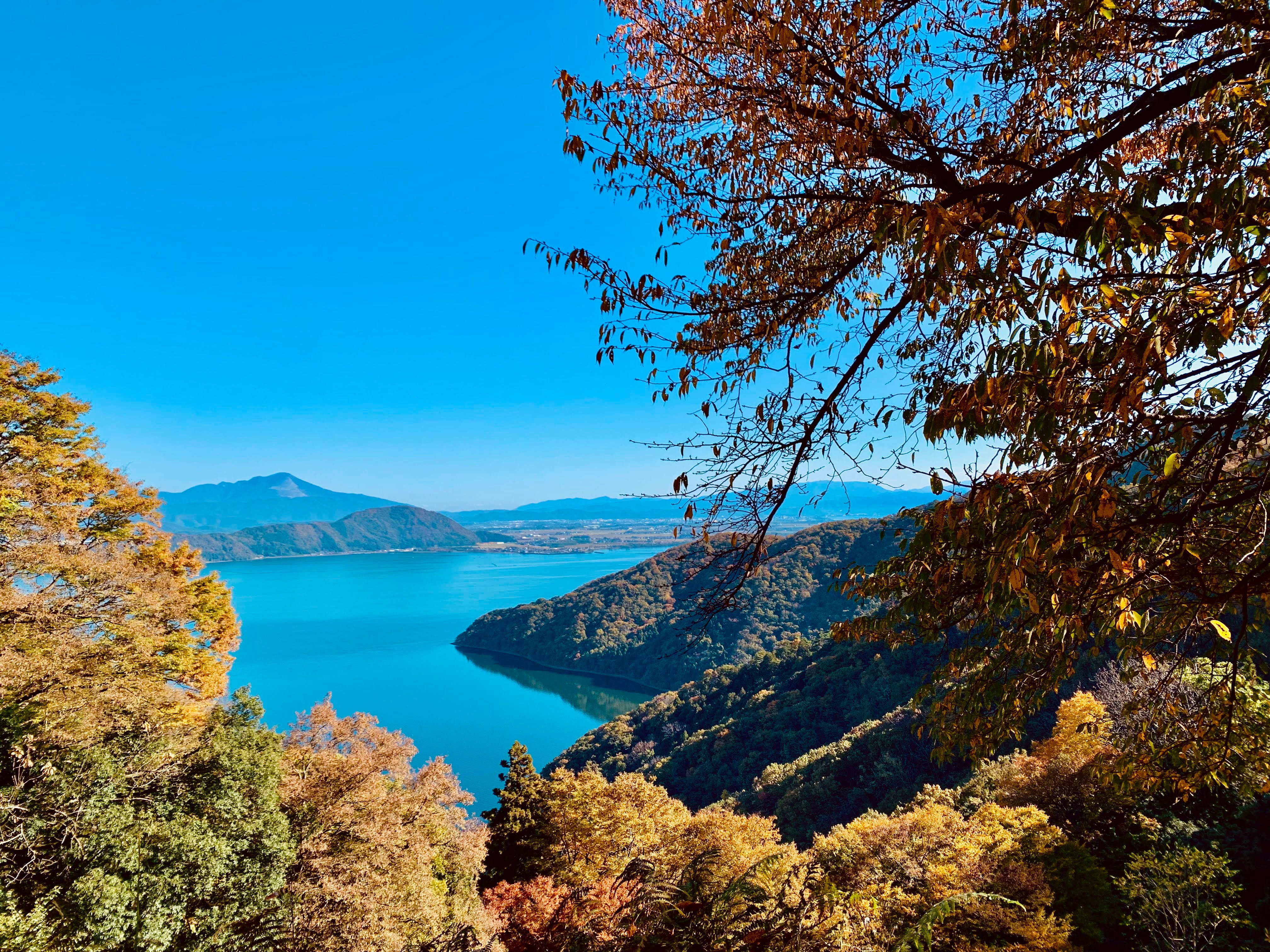
And then came Monday. Overnight, the season seemed to flip. When I left work at 4:45 pm, the sun was gone, and the bike path home was a slick ribbon of wet leaves lit only by my dim front lamp. The scene felt more like Stranger Things than Shiga with dark, rain-soaked trees on either side of me, the kind of shadowy forest where you half-expect a creature to burst through. I rode quickly, hood up, coat zipped, fingers cold and stiff. Once home, I wasted no time before diving under my kotatsu, a heated table with thick blankets attached, my favorite Japanese indulgence. I warmed my toes and stretched my tired muscles, watched actual Stranger Things, and nourished myself with hot curry rice and tea. It was nostalgic. It was cozy.
If I had to put both days to music, it would be Vivaldi. That entire sun-soaked ride followed by the dark, wet plunge of late autumn, felt like The Four Seasons, my go-to November piece. It’s the way his music moves: sudden shifts in tempo and key—allegro, largo, allegro, adagio, presto—the strings begin with fire and collapse into smoke. The notes ring with both abundance and unease. Real leaves move in real wind, and cold rain sheets across dark, shining streets. The landscape is caught between glorious sunlight and the first bite of winter.
That feeling, the swing between beauty and bitterness, is what I mean when I describe something as pastoral. The pastoral has always depended on contrast. Even in its earliest forms in Greek and Roman poetry, it imagined rural space as something constructed rather than literal: a landscape created to think through longing, simplicity, or escape from civic life. Later artists and writers continued to use the pastoral to examine the tension between idealization and reality. In this tradition, the pastoral is not about actual fields or sheep. It is the emotional register of nostalgia shaped by melancholy, or comfort edged by an awareness of change.
Autumn captures that tension perfectly. As much as I love it, the season always arrives with a sense of ending. It is bitter and beautiful, flu season at school, and kotatsu season at home.
Welcome to our next Thicket theme: pastorals.
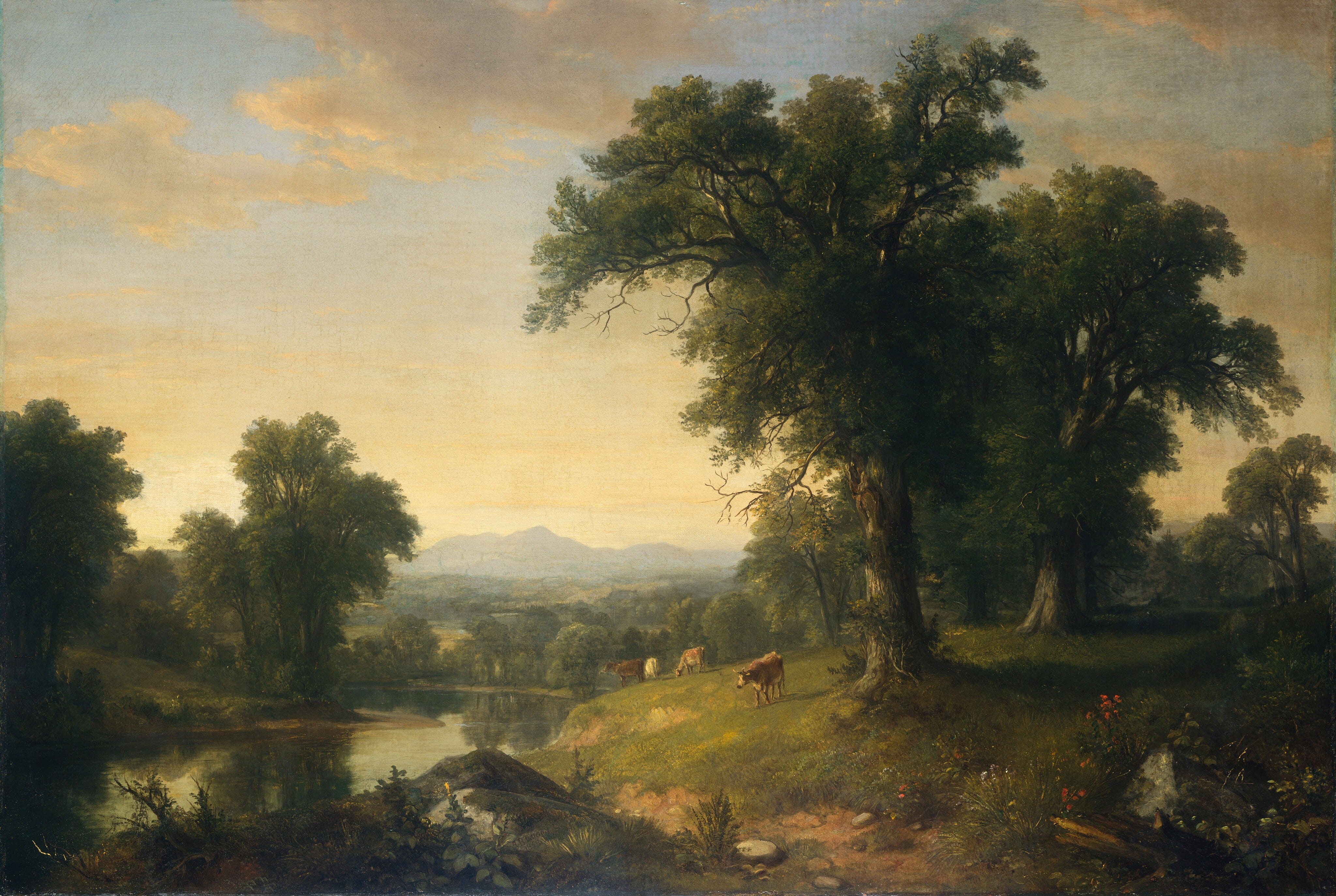
I’ve been gathering notes for this theme for a while now, but November feels like the right time to step into it. In America, November marks the unofficial start of the winter rush—meal planning, travel coordinating, volunteer schedules, and the annual question of who is or isn’t invited back to the holiday table. It’s a season thick with memory, tradition, and a peculiar mix of comfort and ache.
Over the next few weeks, we’ll wander through traditional and modern pastoral scenes—art, music, movies, and small everyday moments that carry the pastoral feeling into our contemporary lives. We’ll explore beauty, melancholy, idealization, and contrast. I hope that this theme opens up both reflection and recognition.
As always, I would love to hear from you. Does a particular pastoral scene come to mind: a walk, a view, a memory? Feel free to share it in the comments. You can even add a photo if you like. Or tell me what November looks like where you are this year. I’m curious about how this season unfolds for you and what textures or contrasts you notice in your everyday landscapes.
My next post is coming to your inbox pretty soon, so kep an eye out or check back in when you can! Thank you for reading, and for being here as we begin our next chapter.
From the Thicket,
Laura